
[Memory of the World] King Sejong’s Vision of Love for the People and the Democratization of Knowledge

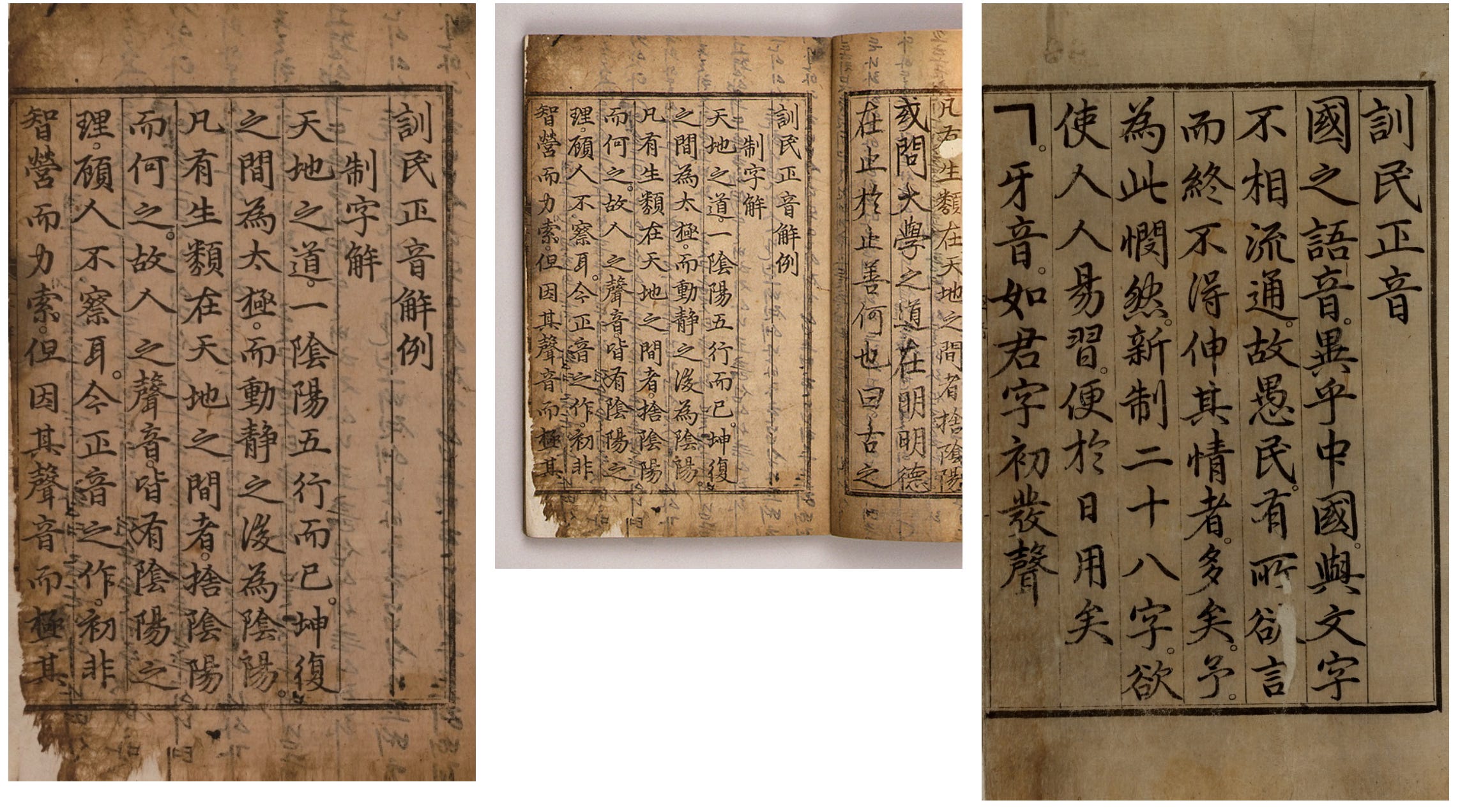
The Hunminjeongum Manuscript (Haerye Edition), inscribed on the UNESCO Memory of the World Register in 1997, is more than just a guidebook for a national script; it is a document that marks a monumental turning point in human history. Recently, the global academic community has been revisiting the value of this record through the lens of the “Democratization of Knowledge.”
The Genesis of the Democratization of Knowledge Rooted in “Love for the People”
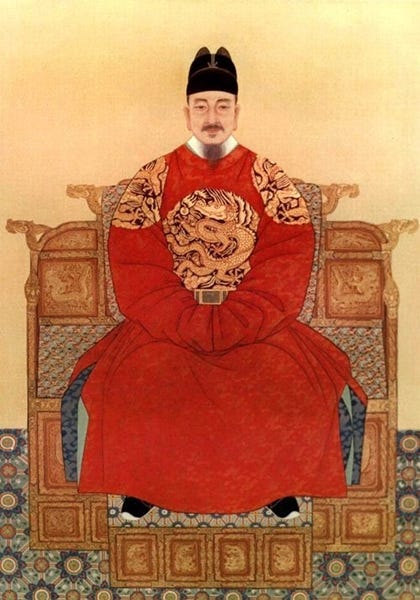
At the heart of the Hunminjeongum Manuscript lies the principle of “Information Equality.” In the 15th century, Chinese characters were the exclusive property of the ruling class; knowledge was power. King Sejong, feeling deep compassion for commoners who suffered injustice because they could not read, created a 28-letter alphabet that was easy to learn. This act is regarded as the first instance of the “Democratization of Knowledge” in human history, transforming knowledge from a privilege of the elite into an asset for the masses. The declaration in the manuscript’s preface—”I wish for the people to be able to express their thoughts with ease”—anticipated the modern democratic value of “Equal Access to Information” by 500 years.
UNESCO’s Focus on the Values of Literacy and Human Rights
The decisive reason UNESCO selected this manuscript as a world heritage is that the scientific design of Hangeul is inherently directed toward “Universal Human Rights.” The manuscript proves the script’s superior accessibility, stating, “A wise man can learn it in a morning, and even a simple man can learn it within ten days.” UNESCO recognized this very point—the enhancement of literacy and the intellectual empowerment of the masses through an accessible script—as a universal leap forward for humanity.
A Symbol of Global Literacy: The UNESCO King Sejong Literacy Prize
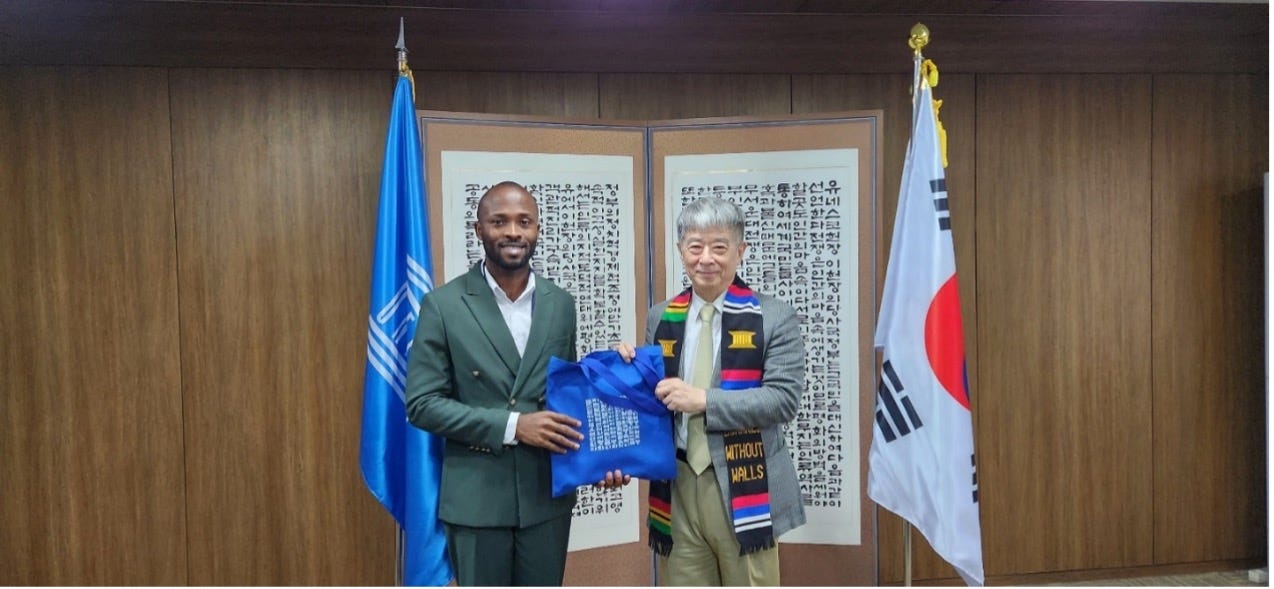
The spirit of Hangeul continues to set international standards today. In 1989, UNESCO established the “UNESCO King Sejong Literacy Prize” to honor the noble intent behind the creation of Hangeul. Awarded annually to individuals or organizations that have made outstanding contributions to the fight against illiteracy worldwide, this prize serves as a testament to UNESCO’s official recognition of Hangeul as the ultimate tool for dispelling ignorance and expanding the right to communication.
The Purpose of Technology Must Ultimately Be “People”
Had the manuscript not been miraculously discovered in Andong, South Korea in 1940, the scientific and philosophical foundations of Hangeul might have remained shrouded in mystery forever. Thanks to the selfless efforts of collector Kansong Chun Hyung-pil, who risked everything to protect these 33 pages, this record has now become a precious database for the entire world. The spirit of the Hunminjeongum transcends its 500-year history, offering a timeless lesson to us living in the high-tech era: “The ultimate purpose of technology must be people.”
Ayoung Kim